 English
 简体中文
简体中文  Esperanto
  Afrikaans
  Català
  Cymraeg
  Galego
  繁体中文
繁体中文  Latviešu
  icelandic
  ייִדיש
  беларускі
  Hrvatski
  Kreyòl ayisyen
  Shqiptar
  Malti
Malti  lugha ya Kiswahili
  አማርኛ
አማርኛ  Bosanski
  Frysk
Frysk  ភាសាខ្មែរ
  ქართული
  ગુજરાતી
  Hausa
Hausa  Кыргыз тили
  ಕನ್ನಡ
ಕನ್ನಡ  Corsa
Corsa  Kurdî
Kurdî  മലയാളം
  Maori
Maori  Монгол хэл
  Hmong
Hmong  IsiXhosa
  Zulu
Zulu  Punjabi
  پښتو
پښتو  Chichewa
  Samoa
Samoa  Sesotho
  සිංහල
සිංහල  Gàidhlig
  Cebuano
  Somali
  Тоҷикӣ
  O'zbek
  Hawaiian
  سنڌي
سنڌي  Shinra
  Հայերեն
  Igbo
Igbo  Sundanese
  Lëtzebuergesch
  Malagasy
  Yoruba
  Español
  Português
  русский
  Français
  日本語
日本語  Deutsch
  tiếng Việt
  Italiano
  Nederlands
  ภาษาไทย
  Polski
  한국어
한국어  Svenska
  magyar
  Malay
Malay  বাংলা ভাষার
  Dansk
Dansk  Suomi
Suomi  हिन्दी
  Pilipino
  Türkçe
  Gaeilge
  العربية
  Indonesia
  Norsk
Norsk  تمل
تمل  český
český  ελληνικά
  український
  Javanese
  فارسی
فارسی  தமிழ்
தமிழ்  తెలుగు
  नेपाली
  Burmese
  български
  ລາວ
ລາວ  Latine
  Қазақша
  Euskal
  Azərbaycan
  Slovenský jazyk
  Македонски
  Lietuvos
  Eesti Keel
  Română
  Slovenski
  मराठी
मराठी  Srpski језик


Why Is Conveyor Belt Cleaner Essential for Efficient Conveyor System Operation?
Abstract
Belt conveying systems are widely used in mining, construction, power plants, ports, and manufacturing. Material residue, adhesion, and belt damage are common pain points that reduce efficiency, increase costs, and threaten safety. This article covers core types, working principles, material advantages, installation standards, maintenance tips, and application scenarios of professional Conveyor Belt Cleaner devices. It helps engineers, maintenance teams, and procurement managers select suitable solutions, reduce downtime, extend belt life, and improve overall system stability. Supported by the R&D and production capacity of Jiangsu Wuyun Transmission Machinery Co., Ltd., users can access customized designs, reliable quality, and cost-effective solutions for various working conditions.
Table of Contents
- 1. The Importance of Belt Cleaning in Conveying Systems
- 2. Common Types and Structural Features
- 3. Material Performance and Wear Resistance Comparison
- 4. Installation Position and Standard Requirements
- 5. Daily Maintenance and Service Life Extension
- 6. Typical Industry Application Cases
- 7. Frequently Asked Questions (FAQ)
- 8. Conclusion and Selection Suggestions
1. The Importance of Belt Cleaning in Conveying Systems
In modern industrial production, conveyor systems serve as key material handling equipment. Long-term operation often leads to material sticking on the belt surface, which can cause idler abrasion, belt deviation, splashing, and even safety incidents. Without effective cleaning, residue accumulates rapidly, increasing energy consumption and accelerating component wear.
A reliable cleaning device can remove sticky materials, coal dust, ore powder, and slurry in real time. It keeps the belt surface clean, reduces failure rates, and lowers maintenance labor and parts replacement costs. For heavy-duty and harsh environments, stable cleaning performance directly determines the service life of the entire conveyor system.
Many enterprises have significantly reduced downtime and maintenance costs after equipping with high-performance cleaning devices. In mining and cement plants, annual savings on belt replacement and maintenance can reach tens of thousands of dollars, proving the value of professional cleaning solutions.
With the trend of intelligent and automated production, the demand for durable, maintenance-free, and high-adaptability cleaning equipment continues to rise. Enterprises are no longer satisfied with ordinary tools; they prefer structured, self-compensating, and long-life designs.
In this context, choosing a scientifically designed and stably performing cleaning solution becomes a key decision for on-site managers and procurement teams. The right product improves efficiency, safety, and economic benefits simultaneously.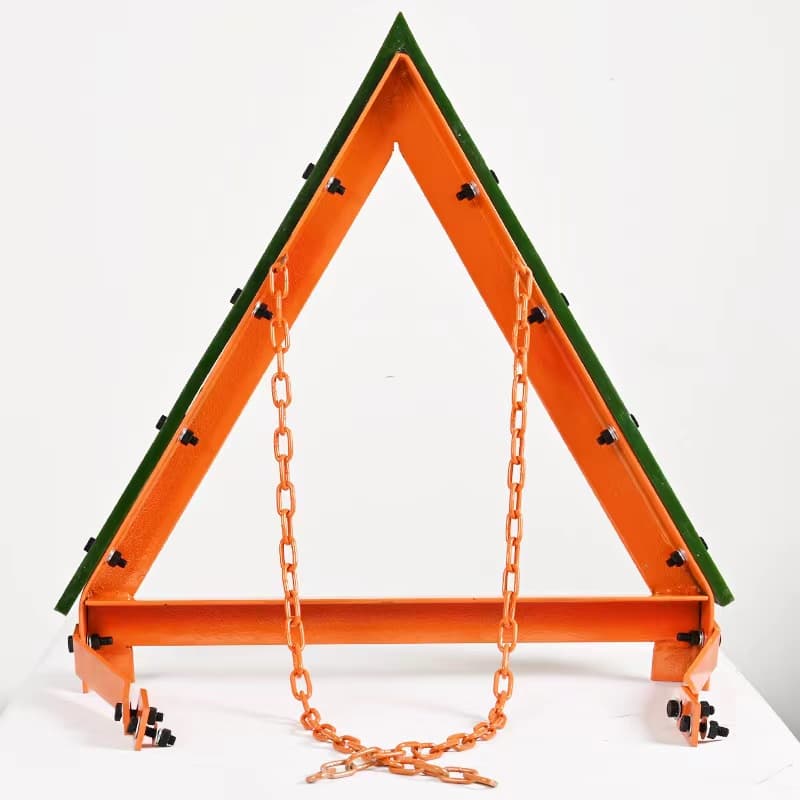
2. Common Types and Structural Features
Different working conditions require different types of Conveyor Belt Cleaner devices. Manufacturers provide a variety of models to meet primary cleaning, return cleaning, reversible belt, and special environment needs.
2.1 Polyurethane Primary Cleaner
This type is mainly used at the head of the conveyor. It features high elasticity, wear resistance, acid and alkali resistance, flame retardancy, and antistatic properties. The polyether blade offers 50% higher wear resistance than standard polyurethane. A spring mechanism enables automatic wear compensation, maintaining consistent cleaning pressure.
2.2 V‑Plow Return Belt Cleaner
Designed for return belt cleaning, it is installed before bend pulleys and vertical tensioning devices. The V‑shape ensures full coverage and high cleanliness. Made of high-strength polyurethane, it is wear-resistant and belt-friendly. Gravity-driven automatic compensation extends service life and reduces adjustments.
2.3 One‑Line Cleaner
Suitable for return belts and reversible conveyor systems, it cleans the empty side effectively. It shares the advantages of acid and alkali resistance, flame retardancy, antistatic performance, and high wear resistance. The structure is simple, installation is easy, and it does not damage the belt surface.
2.4 Alloy Primary Cleaner
Equipped with a tungsten carbide alloy head, it provides ultra-high wear resistance and long service life. Ideal for harsh conditions with strong abrasion and corrosion. The 15° under-center installation and foldable design avoid impact from large materials. Used with secondary cleaners, it achieves near-perfect cleaning.
2.5 Secondary Constant Pressure Cleaner
Features a hollow buffer structure for excellent follow-up performance. Suitable for reversible belts. The detachable base allows side extraction from the hopper, making installation and maintenance fast and convenient.
2.6 Rotary Brush Cleaner
Unpowered and driven by belt friction via chain transmission. The brush rotates against the belt direction for thorough cleaning. It is energy-saving, eco-friendly, easy to install, and space-efficient, ideal for light and medium-duty applications.
3. Material Performance and Wear Resistance Comparison
Material determines performance, service life, and applicability. The two most common materials are high-performance polyurethane and tungsten carbide alloy.
| Material | Wear Resistance | Corrosion Resistance | Belt Friendliness | Typical Use |
|---|---|---|---|---|
| Standard Polyurethane | Medium | Good | Excellent | General light/medium duty |
| High‑grade Polyether PU | +50% Higher | Excellent | Excellent | Heavy duty, long life |
| Tungsten Carbide Alloy | Ultra High | Good | Medium | Mining, ore, harsh conditions |
Polyurethane materials dominate most applications due to elasticity, corrosion resistance, and belt protection. Alloy types are preferred for highly abrasive materials. Users should select based on material characteristics, humidity, corrosion, and temperature.
4. Installation Position and Standard Requirements
Correct installation is critical for performance and longevity. Improper position leads to poor cleaning, accelerated wear, or belt damage.
- Primary cleaners: Install at the head pulley, 15° below the center line for optimal contact.
- Return cleaners: Install before bend pulleys and tensioning devices to prevent residue from entering rollers.
- Reversible systems: Use dedicated secondary and one-line cleaners to adapt to two-way operation.
- Rotary brush cleaners: Mount on the return belt with proper friction contact for stable rotation.
- Maintain even pressure; avoid excessive tension that causes blade or belt wear.
Professional manufacturers provide detailed drawings and installation guidelines. On-site teams should follow standards to ensure stability and safety. Regular inspection of mounting bolts and pressure mechanisms is necessary.
Many experienced procurement engineers will prioritize verified installation parameters when sourcing Conveyor Belt Cleaner to avoid later installation failures on-site.
5. Daily Maintenance and Service Life Extension
Industrial conveyor cleaning equipment operates in high-load, dusty, and corrosive environments for extended periods. Even premium-grade industrial equipment will experience gradual wear and performance degradation without standardized daily maintenance. Scientific and systematic maintenance routines can effectively maximize the service cycle of cleaning components, stabilize long-term cleaning efficiency, and drastically reduce unplanned equipment downtime and replacement costs for industrial enterprises. Reasonable maintenance management is one of the core methods to improve the overall operational economy of conveyor systems.
5.1 Standard Routine Inspection Mechanism
Regular weekly inspection is the foundation of stable equipment operation. On-site maintenance personnel need to comprehensively check the overall operating status of cleaning equipment, including blade wear degree, real-time belt cleaning effect, mounting bracket firmness, and the flexibility of the pressure compensation mechanism. In industrial scenarios with heavy material adhesion and severe abrasion, partial blade wear or offset installation will directly lead to incomplete cleaning and residual material accumulation. Timely inspection and immediate replacement of severely worn, deformed, or aging blades can avoid secondary damage to conveyor belts and auxiliary equipment caused by failed cleaning.
5.2 Regular Automatic Compensation Calibration
Most modern cleaning equipment adopts spring tension and gravity automatic compensation structures, which are designed to reduce manual intervention and maintain constant contact pressure between the blade and the belt surface during long-term operation. However, affected by dust accumulation, structural aging, and vibration impact, the compensation mechanism may gradually lose sensitivity after long-term operation. It is essential to conduct a comprehensive functional calibration every month to check the flexibility of spring expansion and gravity reset performance, ensuring the cleaning blade always fits the belt surface tightly and maintains stable and consistent cleaning force throughout the equipment service cycle.
5.3 Systematic Cleaning and Anti-Corrosion Maintenance
In mining, chemical, and cement industries, a large amount of dust, slurry, and corrosive residues will adhere to the surface and internal structure of cleaning equipment during operation. Long-term accumulation of debris will cause mechanism jamming, flexible component failure, and even local corrosion of metal brackets. Maintenance teams need to regularly clean surface debris and hidden dirt of the equipment, and perform targeted lubrication treatment on movable transmission parts and rotating structures. For equipment working in high-humidity and strong corrosive environments, regular water rinsing and anti-rust maintenance are required to eliminate potential safety hazards and extend the overall service life of the equipment.
5.4 Scientific Component Replacement Cycle
Different cleaning blade materials have distinct service life characteristics, forming standardized replacement cycles for industrial production reference. High-performance polyurethane blades, which are widely used for medium and light-duty working conditions, feature excellent elasticity and belt protection performance, with a stable service life ranging from 6 to 12 months under normal operating conditions. Tungsten carbide alloy blades designed for heavy-duty and high-abrasion scenarios have ultra-strong wear resistance and structural stability, with a service life that can reach 1 to 2 years. It is important to note that the actual service life will fluctuate according to on-site operation intensity, material abrasiveness, environmental humidity, and maintenance frequency. Enterprises should formulate personalized replacement plans based on actual working conditions to balance operating costs and equipment operating efficiency.
Enterprises that stick to standardized maintenance can effectively extend the usable lifespan of their Conveyor Belt Cleaner and cut annual spare part expenditure remarkably.
6. Typical Industry Application Cases
Modern industrial conveyor systems cover diversified application scenarios, and different industries have completely different requirements for cleaning equipment in terms of wear resistance, corrosion resistance, cleaning accuracy, and environmental adaptability. Customized targeted cleaning configurations can perfectly adapt to the material characteristics and operating environment of various industries, effectively solving the common problems of belt residue accumulation, equipment wear, and low operating efficiency. The following analyzes the mature application solutions and practical advantages of cleaning equipment in mainstream industrial fields.
6.1 Mining & Quarrying Industry
The mining and quarrying industry represents the most harsh working conditions for conveyor equipment, featuring large-particle ore, high-hardness coal materials, long-term high-load operation, and high humidity and dust in the working environment. Conventional ordinary cleaning accessories are prone to rapid wear and failure, which cannot meet long-term stable operation requirements. Therefore, professional matching solutions dominated by alloy primary cleaners and auxiliary V-plow return cleaners are widely adopted in this industry. The ultra-wear-resistant tungsten carbide alloy cutter head can resist continuous impact and friction of hard ore and coal materials, while the V-shaped return cleaning structure thoroughly cleans residual fine ore powder on the return belt. This combined solution effectively reduces equipment failure rate, avoids frequent shutdown maintenance caused by cleaning failure, and greatly improves the continuous operation efficiency of mining conveyor systems.
6.2 Cement & Construction Materials Industry
Conveyor equipment in cement and building materials factories mainly transports cement raw materials, limestone powder, fly ash, and other fine dusty and highly sticky materials. These materials are easy to adhere to the belt surface and agglomerate, which will cause belt deviation, idler abrasion, and material scattering if not cleaned in time, seriously affecting the production environment and operating safety. High-efficiency self-compensating polyurethane cleaning equipment is the optimal choice for this industry. The high-elasticity polyether polyurethane blade fits the belt surface perfectly without damaging the conveyor belt, and the automatic wear compensation structure ensures long-term stable cleaning effect. It can thoroughly remove sticky dust and agglomerated materials, protect conveyor belts and auxiliary accessories, and maintain a clean and stable operating state of the entire conveying system.
6.3 Thermal Power Generation Industry
Thermal power plants rely heavily on belt conveyor systems for long-distance and large-volume coal transportation, which puts forward extremely high requirements for the continuity and stability of conveying equipment. Coal residue and coal powder adhered on the belt will cause equipment aging acceleration and energy consumption increase. Most power plant production lines adopt a combined cleaning scheme of primary alloy cleaners and secondary constant pressure cleaners. The primary cleaner removes large-area coal material residues at the head of the belt, and the secondary cleaner performs fine secondary cleaning to eliminate tiny residual coal powder. The dual-cleaning mode realizes full coverage and thorough cleaning, ensures zero residue operation of the conveyor belt, guarantees the stable and safe operation of coal handling systems, and meets the continuous production needs of thermal power enterprises.
6.4 Port & Logistics Transportation Industry
Port and bulk logistics conveyor equipment has the characteristics of high-speed operation, long continuous working hours, and diverse transported materials, including grain, mineral materials, chemical raw materials, and other bulk goods. Frequent start-stop and high-speed operation put forward high requirements for the durability and low maintenance performance of cleaning equipment. High-strength integrated cleaning devices are widely used in port conveyor systems, featuring wear resistance, stable structure, and low failure rate. The optimized structural design reduces manual maintenance frequency, adapts to 24-hour uninterrupted operation of port equipment, effectively reduces operating and maintenance costs, and ensures efficient and orderly progress of bulk material handling work.
6.5 Food & Light Processing Industry
The food and light industry has strict requirements for equipment hygiene, safety, and belt protection, avoiding hard friction damage and sanitary dead corners. Traditional hard cleaning equipment is easy to scratch the belt and cause material contamination. Therefore, flexible and hygienic cleaning solutions composed of rotary brush cleaners and high-softness polyurethane cleaners are mainly used in this field. The soft brush structure and elastic polyurethane blade can gently clean residual food materials and light industrial raw materials on the belt surface without causing any damage to the conveyor belt. Meanwhile, the equipment is easy to clean and maintain, meets food-grade clean production standards, and ensures the hygienic and safe operation of the production line.
End users across all five core industrial fields consistently confirm that properly selected Conveyor Belt Cleaner brings measurable cost reduction throughout annual production cycles.
7. Frequently Asked Questions (FAQ)
Q1: How to choose the right model for my conveyor system?
A: Consider belt width, speed, material type, moisture, and installation space. Primary cleaners for head side, return cleaners for tail side. For sticky or abrasive materials, select high-grade PU or alloy blades.
Q2: How long does a typical blade last?
A: Polyurethane blades: 6–12 months. Alloy blades: 12–24 months. Actual life depends on working conditions and maintenance.
Q3: Will cleaning devices damage the conveyor belt?
A: Properly designed and installed models will not damage belts. Polyurethane blades are specially designed to be belt-friendly. Avoid excessive pressure.
Q4: Can I get customized solutions for special working conditions?
A: Yes. Professional manufacturers support customization in size, material, mounting type, and pressure mode to fit specific needs.
Q5: Is maintenance complicated?
A: No. Most designs are maintenance-friendly. Self-compensating structures reduce manual adjustments. Only regular inspections and blade replacements are needed.
8. Conclusion and Selection Suggestions
Efficient conveyor operation relies heavily on effective belt cleaning. Reliable cleaning equipment reduces failures, extends belt life, lowers costs, and improves safety for all production lines.
When selecting, prioritize material quality, structural reliability, self-compensation function, and after-sales support. Choose polyurethane for general applications and alloy for extreme wear. Combination systems deliver the best results.
With professional design, reliable manufacturing, and customized solutions, users can achieve stable, efficient, and economical conveyor system operation after purchasing Conveyor Belt Cleaner.
For tailored recommendations, technical parameters, and price details. Our engineering team will provide you with the most suitable solution and efficient support.
Send Inquiry


X
We use cookies to offer you a better browsing experience, analyze site traffic and personalize content. By using this site, you agree to our use of cookies.
Privacy Policy